Specialists in Thermal, Industrial and Technical Textiles for B2B and OEM's worldwide

Glass Webbing
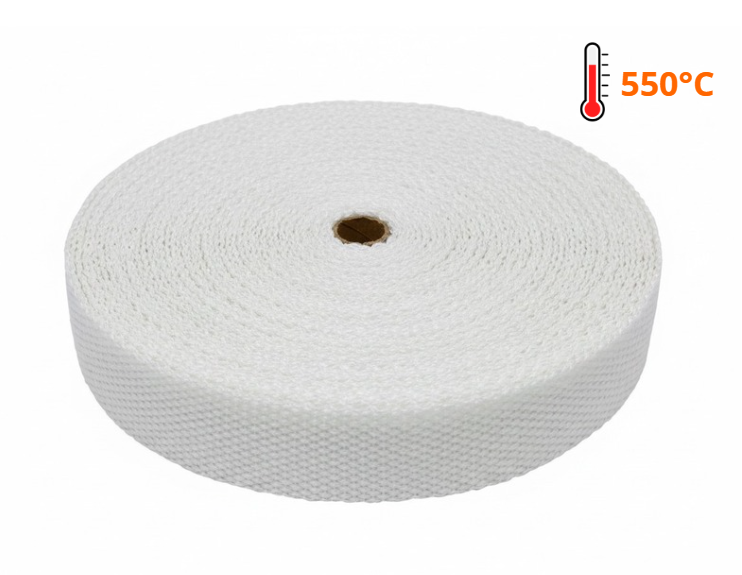
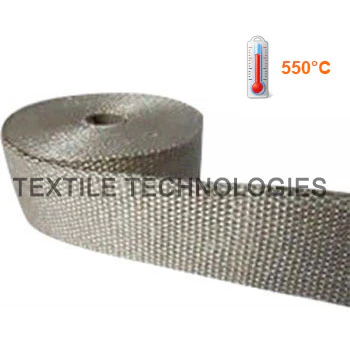
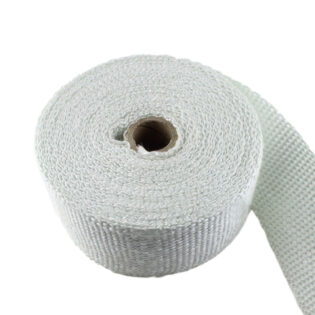
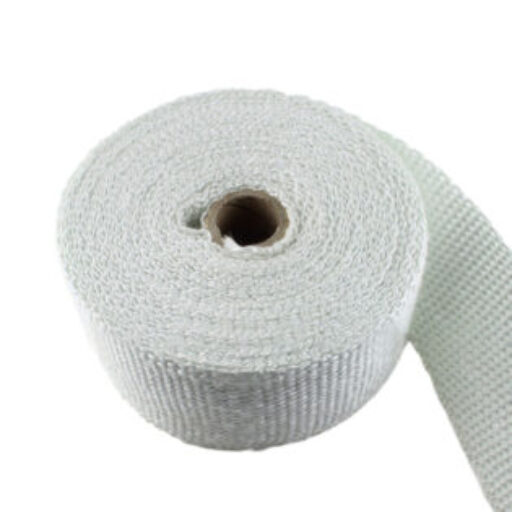
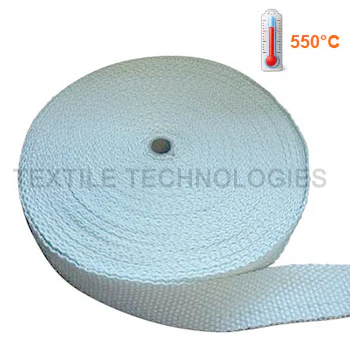
E GLASS WEBBING TAPE
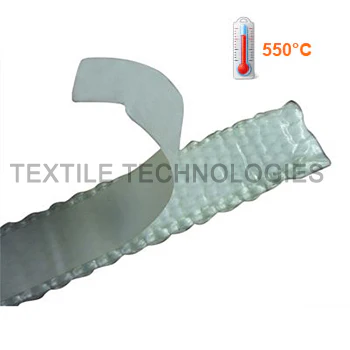
- High-bulk “E”-Type glass fibre yarn webbing, resistant to 550°C in optimum conditions.
- Glass webbing tape is Inorganic, sterile and incombustible.
- E Glass webbing is resistant to oils, solvents and most chemicals.
- Low thermal conductivity typically 0.05W/mk.
- We can manufacture these tapes up to 500mm wide.
For more technical advice, expertise and information visit
Textile Technologies Europe Ltd or to buy online click here.
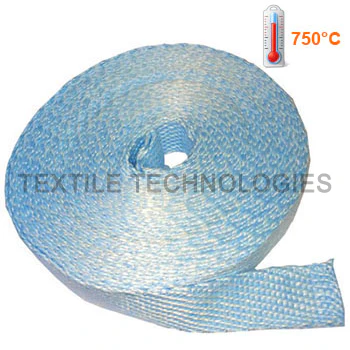
HT750 Webbing Tape
- HT750 webbing is woven from uniform textured filaments of high bulk “E” type glass fibre yarns that have been chemically treated to increase the temperature rating to 700°C continuous, 750°C short term in optimum conditions.
- HT750 webbing is inorganic, sterile and incombustible.
- Resistant to oils, solvents and most chemicals.
- Low thermal conductivity typically 0.05W/mk.
- We can manufacture these tapes up to 500mm wide.
For more technical advice, expertise and information visit Textile Technologies Europe Ltd or to buy online click here.
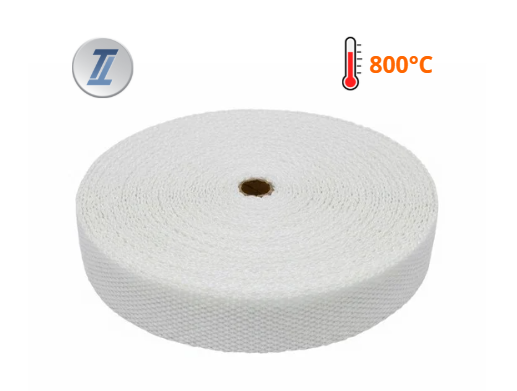
HR Glass Webbing tape
- Thermal webbing manufactured from High Resist (HR) glass – an advanced aluminosilicate glass fibre, boasting heat resistance up to 800°C, superior chemical and mechanical properties, and eco-friendly production.
- It serves as a cost-effective alternative between traditional E Glass and Silica.
- HR glass is an alkali-free aluminosilicate glass, free from boron oxide and fluorine, making it environmentally compliant and reducing hazardous emissions during production.
- Its patented formulation allows it to replace E glass across various applications while offering enhanced properties.
For more technical advice, expertise and information visit Textile Technologies Europe Ltd or to buy online click here.
Applications
- Webbing / Ladder Door Seals for Furnaces / Kilns / Industrial Boilers.
- Exhaust / Hot Pipe Insulation.
- Stress Relieving (Welding / Heat Treatment).
- Hot Pipe Personal Burn Prevention.
Enhancements
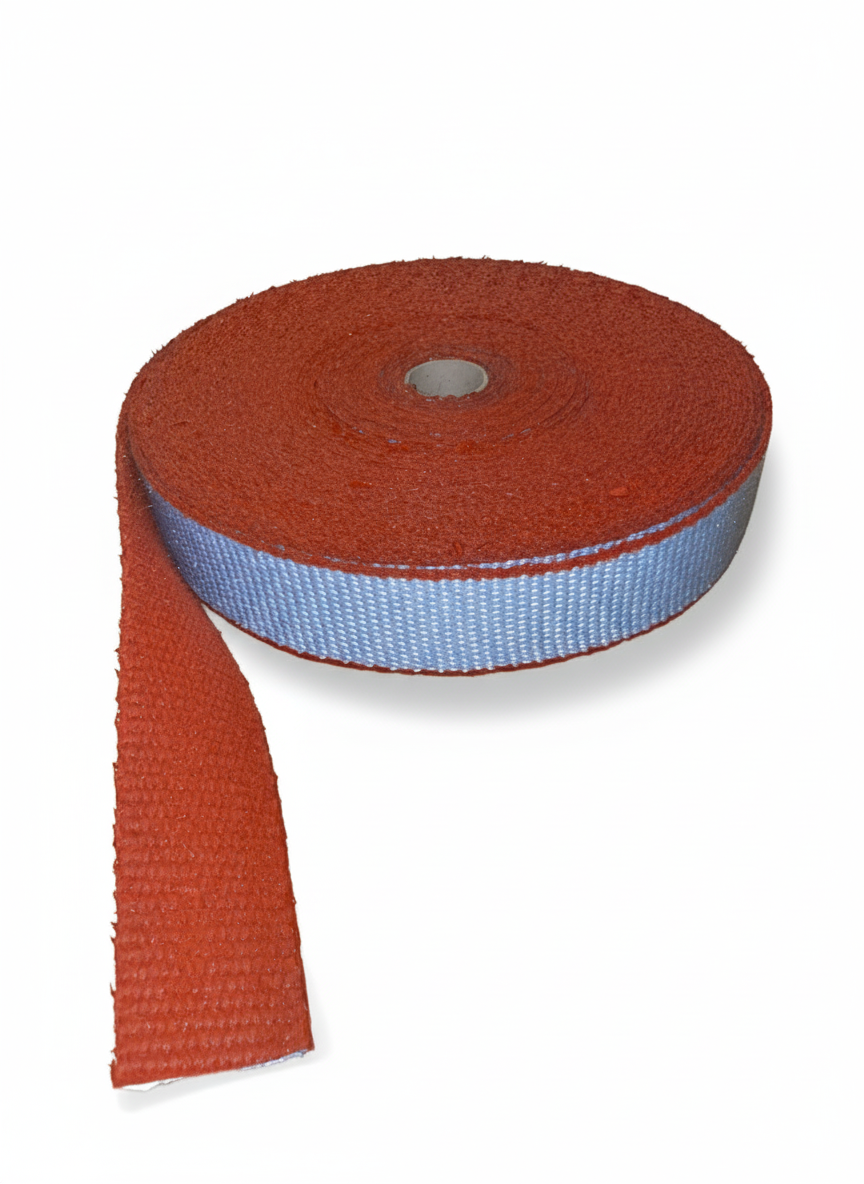
Silicone Coating
Apply a Silicone Coating to weavelock and prevent any fibre ‘fly’. Coating one side of a webbing allows for the webbing to be cut in to strips and made in to a furnace conveyor strip curtain for hot oven / furnaces where the non-coated side faces the heat source, whilst the silicone binds the fibres and ensure longevity.
Wire Reinforcement
Incorporate a steel wire in to the yarns to further reinforce the webbings and improve tensile strengths.
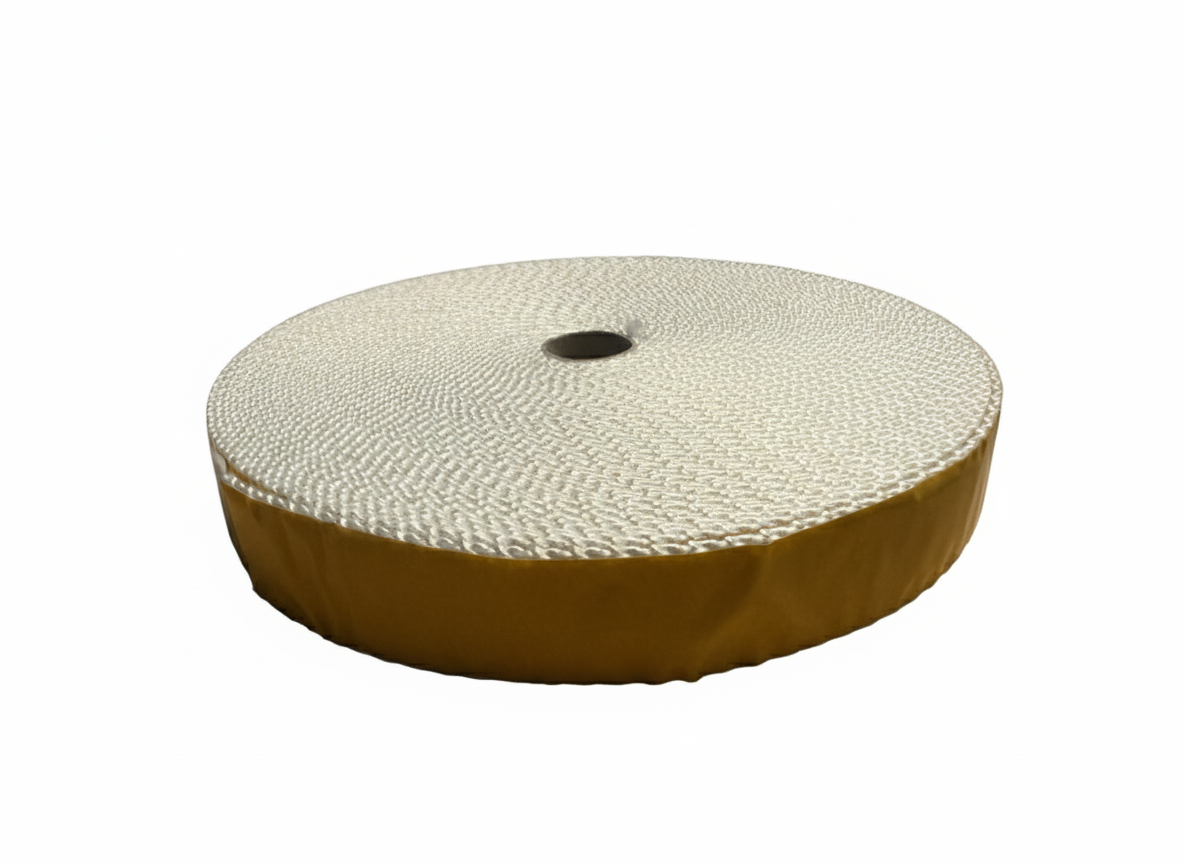
Adhesive Backing
Apply a special sacrificial high temperature self adhesive to aid applying the webbing in situ.
Graphite Dispersion
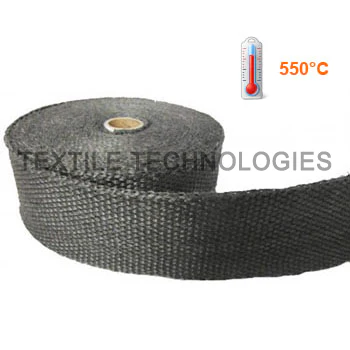
Apply a dry black graphite dispersion to improve abrasion resistance and aesthetics.
Vermiculite Dispersion
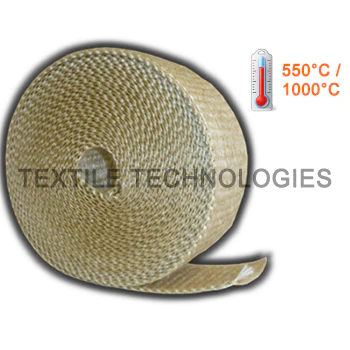
Apply a vermiculite dispersion to improve abrasion resistance and increase its temperature resistance up to 1000°C and create an extra barrier against molten metal splash.
Heat Treatment / Caramelisation
Apply a heat treatment to heat set and caramelise the webbing and drive off any excess volatiles e.g. starch / binders.
Ladder (Drop Warp)
Thermal E Glass, HT750 Glass and HR Glass Webbings can have central warp yarns removed to create a ladder effect. The webbings are commonly known as glass ladder tapes in the UK or drop warp tapes in the USA. For more information please click here for E Glass Ladder Tape and click here for HT750 Glass Ladder Tape.
E Glass Webbing Range
|
Collection Code
|
Glass Grade
|
Weave
|
Type / Enhancement
|
Thickness
|
Parent Code
|
Possible Widths
|
|---|---|---|---|---|---|---|
|
455
|
E Glass
|
Plain
|
Loomstate
|
1.5/2mm
|
455-1076
|
15mm-500mm
|
|
455
|
E Glass
|
Plain
|
Loomstate
|
3mm
|
455-1360
|
15mm-500mm
|
|
455
|
E Glass
|
Plain
|
Loomstate
|
5/6mm
|
455-1046
|
15mm-500mm
|
|
1320
|
E Glass
|
Plain
|
Vermiculite Coated
|
1.5/2mm
|
1320-1076
|
15mm-500mm
|
|
1320
|
E Glass
|
Plain
|
Vermiculite Coated
|
3mm
|
1320-1360
|
15mm-500mm
|
|
1320
|
E Glass
|
Plain
|
Vermiculite Coated
|
5/6mm
|
1320-1046
|
15mm-500mm
|
|
1310
|
E Glass
|
Plain
|
Graphite Coated
|
1.5/2mm
|
1310-1076
|
15mm-500mm
|
|
1310
|
E Glass
|
Plain
|
Graphite Coated
|
3mm
|
1310-1360
|
15mm-500mm
|
|
1310
|
E Glass
|
Plain
|
Graphite Coated
|
5/6mm
|
1310-1046
|
15mm-500mm
|
|
1315
|
E Glass
|
Plain
|
Caramelised
|
1.5/2mm
|
1315-1076
|
15mm-500mm
|
|
1315
|
E Glass
|
Plain
|
Caramelised
|
3mm
|
1315-1360
|
15mm-500mm
|
|
1315
|
E Glass
|
Plain
|
Caramelised
|
5/6mm
|
1315-1046
|
15mm-500mm
|
|
1305
|
E Glass
|
Plain
|
Adhesive Backed
|
1.5/2mm
|
1315-1076
|
15mm-500mm
|
|
1305
|
E Glass
|
Plain
|
Adhesive Backed
|
3mm
|
1315-1360
|
15mm-500mm
|
|
1305
|
E Glass
|
Plain
|
Adhesive Backed
|
5/6mm
|
1315-1046
|
15mm-500mm
|
HT750 Glass Webbing Range
|
Collection Code
|
Glass Grade
|
Weave
|
Type / Enhancement
|
Thickness
|
Parent Code
|
Possible Widths
|
|---|---|---|---|---|---|---|
|
605
|
HT750
|
Plain
|
Loomstate
|
2mm
|
605-1076
|
15mm-500mm
|
|
605
|
HT750
|
Plain
|
Loomstate
|
3mm
|
605-1360
|
15mm-500mm
|
|
605
|
HT750
|
Plain
|
Loomstate
|
5/6mm
|
605-1046
|
15mm-500mm
|
|
606
|
HT750
|
Plain
|
Adhesive Backed
|
1.5/2mm
|
606-1076
|
15mm-500mm
|
|
606
|
HT750
|
Plain
|
Adhesive Backed
|
3mm
|
606-1360
|
15mm-500mm
|
|
606
|
HT750
|
Plain
|
Adhesive Backed
|
5/6mm
|
606-1046
|
15mm-500mm
|
HR800 Glass Webbing Range
|
Collection Code
|
Glass Grade
|
Weave
|
Type / Enhancement
|
Thickness
|
Parent Code
|
Possible Widths
|
|---|---|---|---|---|---|---|
|
1415
|
HR800
|
Plain
|
Loomstate
|
2mm
|
1415-1076
|
15mm-500mm
|
|
1415
|
HR800
|
Plain
|
Loomstate
|
3mm
|
1415-1360
|
15mm-500mm
|
|
1415
|
HR800
|
Plain
|
Loomstate
|
5/6mm
|
1415-1046
|
15mm-500mm
|
|
1416
|
HR800
|
Plain
|
Adhesive Backed
|
1.5/2mm
|
1416-1076
|
15mm-500mm
|
|
1416
|
HR800
|
Plain
|
Adhesive Backed
|
3mm
|
1416-1360
|
15mm-500mm
|
|
1416
|
HR800
|
Plain
|
Adhesive Backed
|
5/6mm
|
1416-1046
|
15mm-500mm
|
FAQs
What is the difference between woven and knitted E Glass Webbing?
The difference between woven and knitted glass webbing lies in their manufacturing processes and properties. Woven glass webbing is created by interlacing yarns over and under at angles, resulting in a stable and firm structure that holds its shape well and has good dimensional stability. This makes it suitable for applications requiring durability and strength. Woven webbings therefore tend to be better for large furnace, heat treatment and industrial door seals.
Knitted glass webbing, on the other hand is looped together, giving it a stretchy and flexible quality, which is beneficial for
Knitted glass webbing, on the other hand, is looped together, giving it a stretchy and flexible quality, which is beneficial for smaller door seals typically wood burners and range cookers.
What is the difference between E Glass, HT750 Glass and HR800 Glass Webbing?
The fundamental differences between E Glass, HT750 Glass and HR Glass is their temperature tolerance before the fibre begins to become brittle. E Glass has a tope rating of 550C in optimum conditions, HT750 has a top rating of 700C in optimum conditions, and HR800 has a top rating of 800C in optimum conditions. E Glass and HR800 Glass have inherently different chemical compositions which gives them their property, but HT750 is an E Glass coated with a calcium silicate to prolong its temperature resistance.
Why is glass webbing texturised?
Texturising or voluminising as defined by Textile Technologies Europe Ltd, is the process of modifying glass or other mineral fibre to increase the air content in the fibre to improve its thermal characteristics and inherent properties.
Glass yarns or strands are overfed (or not) into a nozzle in which a pressurized air stream creates turbulence that causes the formation of loops and imparts a moderate bulk. Texturized products are produced by air jet texturizing of E-glass continuous filament. The glass webbings on this page and for use in the applications state are all made from texturized glass yarns.
Why are our webbings plain woven and not twill woven?
Textile Technologies only supplies plain webbing for furnace, heat treatment or other door seal applications. This is because a tight plain webbing has more structure less movement allowing for a more robust seal with a flatter dimensionally stable surface. Sometimes, twill woven webbings are offered but this is normally a way to cheapen the product as less yarn is used. If manipulated it is clear that a twill weave has much less dimensional stability than a plain weave and will not have the sealing properties of a plain weave product.
However, it should be noted that twill weaves are considered desirable for insulating exhaust manifolds where there are lots of bends. The twill nature allows for more manipulation and forming around bends.

Advanced Engineering Considerations for Glass Webbing & High-Temperature Webbing Tape
Thermal System Integration & Performance Modelling
When specifying lightweight glass webbing or glass webbing tape for complex thermal systems, engineers must consider how the tape interacts with adjacent insulation media, hot surfaces, pipes, refractory linings, and components designed to limit heat loss.
In high-duty environments, the stability of the tape directly affects the performance of the entire thermal insulation assembly. Because these tapes exhibit low thermal conductivity, they contribute to the temperature gradient required for predictable operation, especially where equipment experiences recurrent heating cycles or thermal shock.
Models using finite element analysis often incorporate the tape layer as a stabilising boundary where the glass structure helps distribute thermal stress.
This is particularly suitable for systems where pipes or vessels operate under mixed-pressure conditions. In these cases, using woven glass fibre yarns provides improved dimensional control, reducing expansion-related distortion and supporting the long-term maintenance position of the insulation.
Material Selection Based on Industrial Conditions
Choosing between E Glass, HT750 Glass, HR800 Glass, or adhesive glass webbing depends on several variables: maximum temperature, exposure to steam, oils, solvents and most chemicals, required width, and the mechanical weight placed on the insulation in the vat .
For instance:
- Furnace frame retrofits may require a wide tape that maintains position during heating and cool-down sequences.
- Exhausts and hot pipe applications benefit from tapes designed to handle direct radiant heat without fibre breakdown and might prefer a twill weave construction.
- Stress relieving systems rely on tapes that distribute thermal load evenly to prevent uneven expansion.
The combination of inorganic, sterile, and incombustible characteristics allows these tapes to remain suitable even when exposed to contaminants that could degrade other insulation types.
Compatibility With Additional Insulation Layers
Glass webbing performs differently depending on whether it is used as a primary barrier or positioned between layers of mineral insulation, ceramic blankets, or specialist coatings.
In multilayer systems, the tape’s low thermal conductivity creates a stable inner surface that reduces heat transfer to adjacent materials.
This becomes important in:
- multi-stage oven systems
- foundry ladle linings
- turbine casing insulation
- heat treatment lines
- refractory patch systems
Because these tapes are manufactured in controlled widths, engineers can construct consistent laminated layers that improve thermal efficiency and reduce the stress placed on surrounding components.
Behaviour Under Mechanical Load & Vibration
In dynamic systems—such as engine exhausts, high-temperature conveyor ovens, and agitation vessels—glass webbing must handle vibration while maintaining its woven structure, as seen in the images .
The uniform textured filaments help distribute movement, while the woven construction prevents elongation and edge fray.
Where higher tensile requirements exist, tapes can incorporate wire reinforcement without compromising thermal performance.
This approach is ideal for applications where pipes or other cylindrical components expand and contract repeatedly under thermal load.
Surface Treatments & Their Technical Impact
Some industrial environments require tapes that do more than resist heat. Surface dispersions and coatings modify the behaviour of the tape without altering its glass grade.
Graphite Dispersion
Improves abrasion resistance, reduces surface shine, and creates a darker, uniform finish suitable for exposed exhaust housings.
Vermiculite Dispersion
Provides extra resilience during molten metal splash events, improves insulation integrity during temperature spikes, and is suitable for furnace maintenance crews who routinely work at elevated temperatures.
Silicone Treatment
Creates a clean, stable edge when tapes must be cut into narrow strips. This is suitable for oven curtain assemblies and conveyor systems where fibre shedding must be prevented.
Each treatment adds measurable performance benefits without compromising the inherent glass temperature rating.
Installation Methods & Engineering Best Practice
Incorrect installation is one of the most common causes of premature insulation failure. To ensure that glass webbing and webbing tape maintains performance, several technical considerations apply:
- Surface temperature mapping – identifying the hottest and coolest zones ensures the correct tape type is selected.
- Pre-tension calibration – woven tapes must be tensioned accurately so that they remain resilient but don’t distort.
- Edge orientation – particularly when installing adhesive glass webbing, the adhesive layer must face a clean surface to avoid false bonding.
- Load distribution – on larger furnace and oven systems, multiple layers of tape can distribute thermal and mechanical stress more evenly.
These steps not only improve lifespan but reduce the likelihood of gaskets or seals losing position during operation.
Performance Under Chemical Exposure & Contaminants
Industrial environments expose insulation to oils, solvents and most chemicals, all of which can weaken organic materials.
Because glass webbing is inorganic and naturally resistant to many chemical groups, it is suitable for heavy-duty chemical plant applications, including an assessment of the price.
- solvent recovery ducts
- distillation towers
- refinery furnace doors
- mixing vessels containing aggressive processing media
The tape’s chemical resistance also prevents swelling, distortion, or degradation, maintaining stable dimensions and predictable sealing properties.
Dimensional Stability & Width Options
Width flexibility—from narrow 15mm tapes to wider 500mm assemblies—means engineers can select tape dimensions that match exact equipment tolerances.
Wider tapes are often used in:
- kiln and furnace perimeter seals
- large industrial door assemblies
- hot-air oven curtain frameworks
Narrower widths suit:
- pipe wrapping
- burner chamber access covers
- welding blankets used near sensitive equipment
Precise width tolerances ensure consistent installation, especially when used alongside metal channels or clamping systems.
Integration Into High-Temperature Safety Systems
Glass webbing forms part of numerous safety-critical assemblies. These include:
- hot pipe personal burn-prevention wraps
- exhaust heat shields in confined engine bays
- gasket interfaces in pressure-bearing furnace doors
- thermal containment layers in welding applications
Because the tapes are sterile and incombustible, they will not contribute to fire spread or release hazardous fumes under thermal load, making any claims to the contrary false .
Custom Manufacturing Options & Variant Control
Many facilities require custom variants tailored to their furnace or pipework profile. Variants can include:
- different coated or uncoated surfaces
- colour-coded treatments for maintenance teams
- specific height and width ratios
- integrated wire reinforcement
- adhesive-backed formats
- ladder or drop-warp structuring
These options support inventory control, reduce installation time, and make inspection easier for operators.
Manufacturers can also label products with alt text, barcode numbers, tags, vendor codes, and title identifiers to aid stock management in large-scale facilities.
Custom Manufacturing Options & Variant Control
As high-temperature industries evolve, glass webbing will increasingly be used in digital furnace systems, smart kilns, computer-monitored processing lines, and automated welding applications.
Its reliable performance under extreme temperatures, combined with compatibility with advanced coatings and treatments, positions it as one of the most adaptable insulation materials available.
Whether the application involves pipes, exhausts, industrial ovens, furnace doors, or precision-engineered gaskets, these tapes provide a stable thermal boundary that supports efficient operation, predictable thermal behaviour, and long service life.
With a wide range of widths, type variants, adhesive options, reinforcement formats, and coated surfaces, glass webbing continues to be an ideal choice for industries seeking reliable high-temperature solutions.